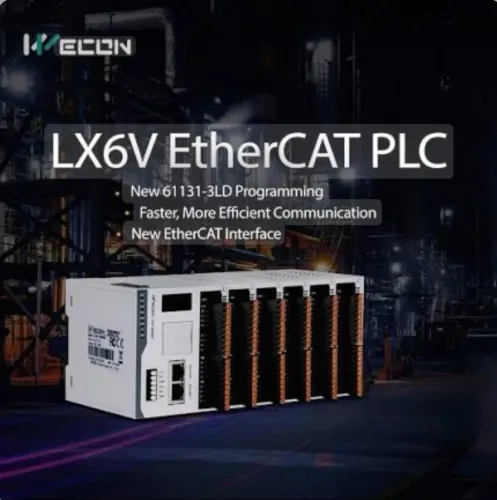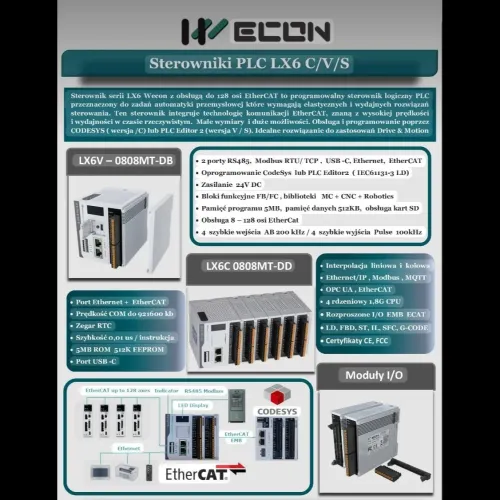
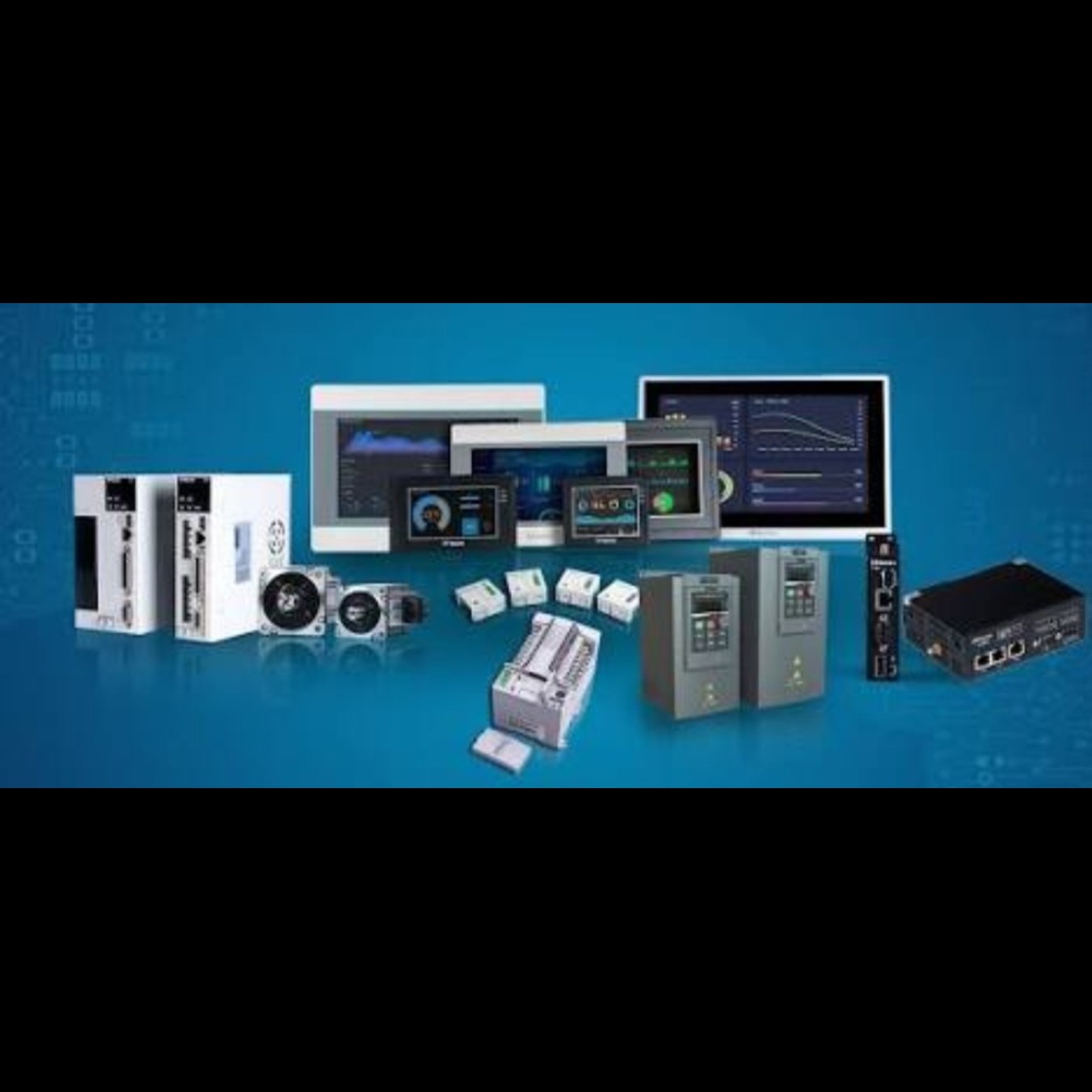
A Programmable Logic Controller (PLC) is a ruggedized, industrial-grade digital computer designed to monitor inputs, execute custom logic programs, and control output devices in manufacturing and automation environments.
Key Components
• Central Processing Unit (CPU): The 'brain' of the PLC that processes the control logic, executes user programs, and synchronizes system operations.
• Input Modules: Receive electrical or digital signals from physical field devices like sensors, pushbuttons, and limit switches.
• Output Modules: Send control commands from the PLC to actuators, motors, pilot lights, and valves.
• Power Supply: Converts AC mains power into low-voltage DC power required by the internal PLC electronics and modules.
• Memory: Non-volatile or battery-backed storage for operating firmware, system parameters, and logic programs.
Key Components
• Central Processing Unit (CPU): The 'brain' of the PLC that processes the control logic, executes user programs, and synchronizes system operations.
• Input Modules: Receive electrical or digital signals from physical field devices like sensors, pushbuttons, and limit switches.
• Output Modules: Send control commands from the PLC to actuators, motors, pilot lights, and valves.
• Power Supply: Converts AC mains power into low-voltage DC power required by the internal PLC electronics and modules.
• Memory: Non-volatile or battery-backed storage for operating firmware, system parameters, and logic programs.
Keywords